
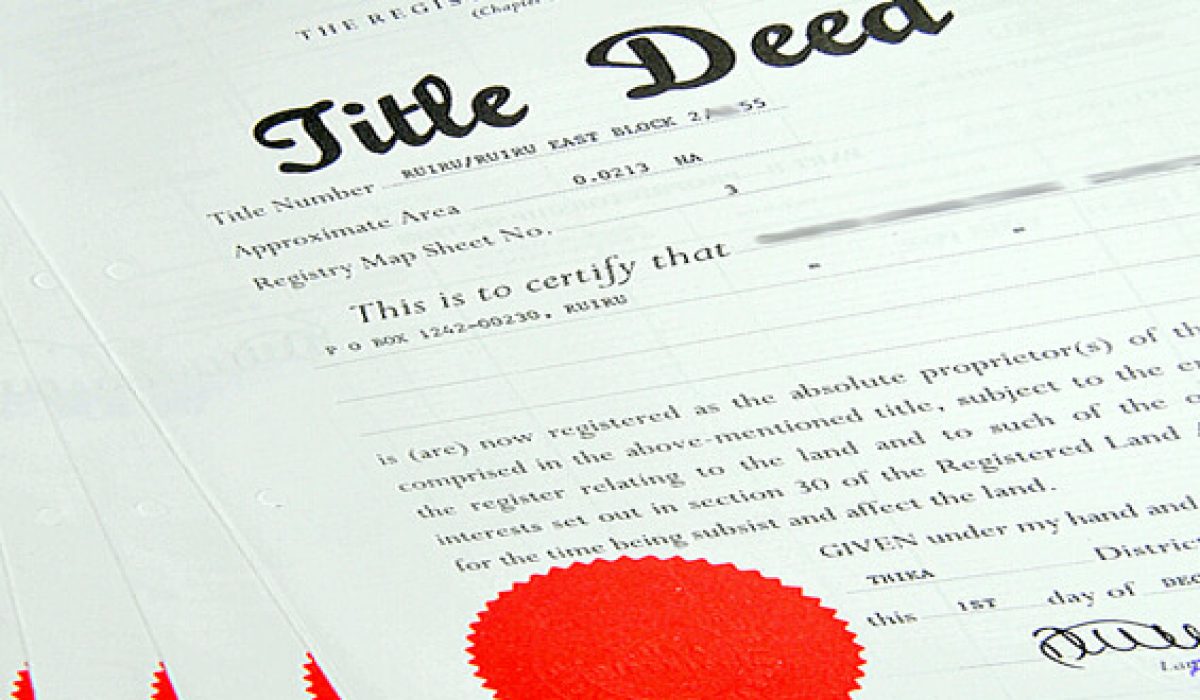
Buy Land in Kenya following the right Procedures step by step.
Land ownership is one of the most substantial and rewarding investments an individual or business can make in Kenya. Consequently, the process of transferring property is governed by strict legal steps designed to protect all parties. For many, figuring out how to buy land in Kenya can feel complicated and intimidating. This detailed, yet simple, guide breaks down the five core stages of legal land acquisition, empowering you to proceed with confidence.
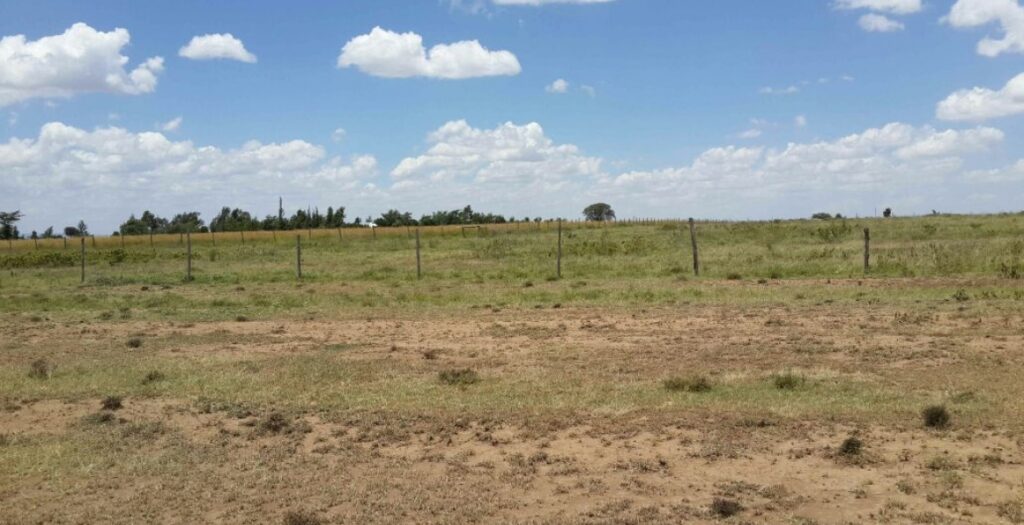
1. Official Search and Verification before you Buy Land in Kenya
The first and most critical step that must be taken is a formal search to ascertain the ownership and legal status of the land.
- Seller’s Document: A copy of the seller’s Title Deed or Indenture is first obtained.
- Formal Search: This copy is submitted to the relevant County Land Registry or the appropriate land information management system where a formal Land Search is conducted.
- Purpose: Thus, it is confirmed that the land’s details (size, location) match the official records, the seller is the genuine legal owner, and most importantly, that there are no outstanding encumbrances. Encumbrances can include bank loans, court orders, caveats, or cautions which would block the sale. This search should also be complemented by a site visit to verify the physical location and boundaries.
2. The Paperwork: Offer Letter and Sale Agreement
Once the land’s legal status has been verified and the price agreed upon, the transaction proceeds to documentation.
- Offer and Acceptance: An offer is typically made by the buyer’s lawyer, which, once accepted, initiates the documentation stage.
- The Agreement: Therefore, a comprehensive Sale Agreement is then drafted by the seller’s lawyer and reviewed by the buyer’s counsel. The agreement formally stipulates the terms, conditions, purchase price, payment schedule, and the agreed-upon date for the transfer of ownership.
- Initial Payment: A deposit, commonly 10% of the total purchase price, is generally paid upon the signing of this agreement and is held in a secure escrow account by the seller’s lawyer.
3. Government Approval: Land Control Board (LCB) Consent
For certain types of land, specifically agricultural land (often defined as land outside city boundaries), a layer of governmental approval is required before the property can be transferred.
- LCB Application: The seller’s lawyer applies to the local Land Control Board for consent to transfer the property.
- Transition: Furthermore, even for urban properties, approval from the relevant County authority or Commissioner of Lands may be needed, depending on the leasehold status. This step ensures that the government is notified and approves the intended change of proprietorship. The entire transaction is void if this consent is not obtained.
4. Valuation and Tax Payments (Stamp Duty)
Before the buyer’s name can be registered on the Title Deed, the government must receive its due taxes.
- Valuation: The property is valued by a government valuer. This valuation determines the actual market value of the land, which is used to calculate the payable tax.
- Stamp Duty: This is the tax levied on the transaction, which, by law, must be paid by the buyer. In most cases, this is either 2% or 4% of the determined market value.
- Transition: Moreover, the successful payment of Stamp Duty is absolutely essential; the transfer documents will not be processed by the Land Registry without an official receipt. The payment receipt is then attached to the final submission.
5. Registration: Finalizing the Transfer
This is the ultimate step that legally cements the answer to how to buy land in Kenya.
- Submission: The final transfer documents—including the signed Transfer Form, the Land Control Board Consent, the Stamp Duty receipt, and the old Title Deed—are submitted to the Land Registry for registration.
- Processing: The application is processed, and the official records are updated to reflect the buyer as the new proprietor. This process often takes several weeks.
- New Title: Ultimately, a new Title Deed or Certificate of Lease bearing the buyer’s name is issued. This new document, secured by the buyer’s lawyer, marks the legal completion of the land acquisition process, giving the buyer undisputed legal ownership.
Therefore, by diligently involving a trusted lawyer and ensuring every document is verified and every fee is paid, the risks associated with acquiring property are mitigated, turning a significant investment into a secure asset.
Follow our Facebook page to learn more.
You can read more about Real Estate investment in Kenya here