
School Dormitory Fires in Kenya and how to prevent
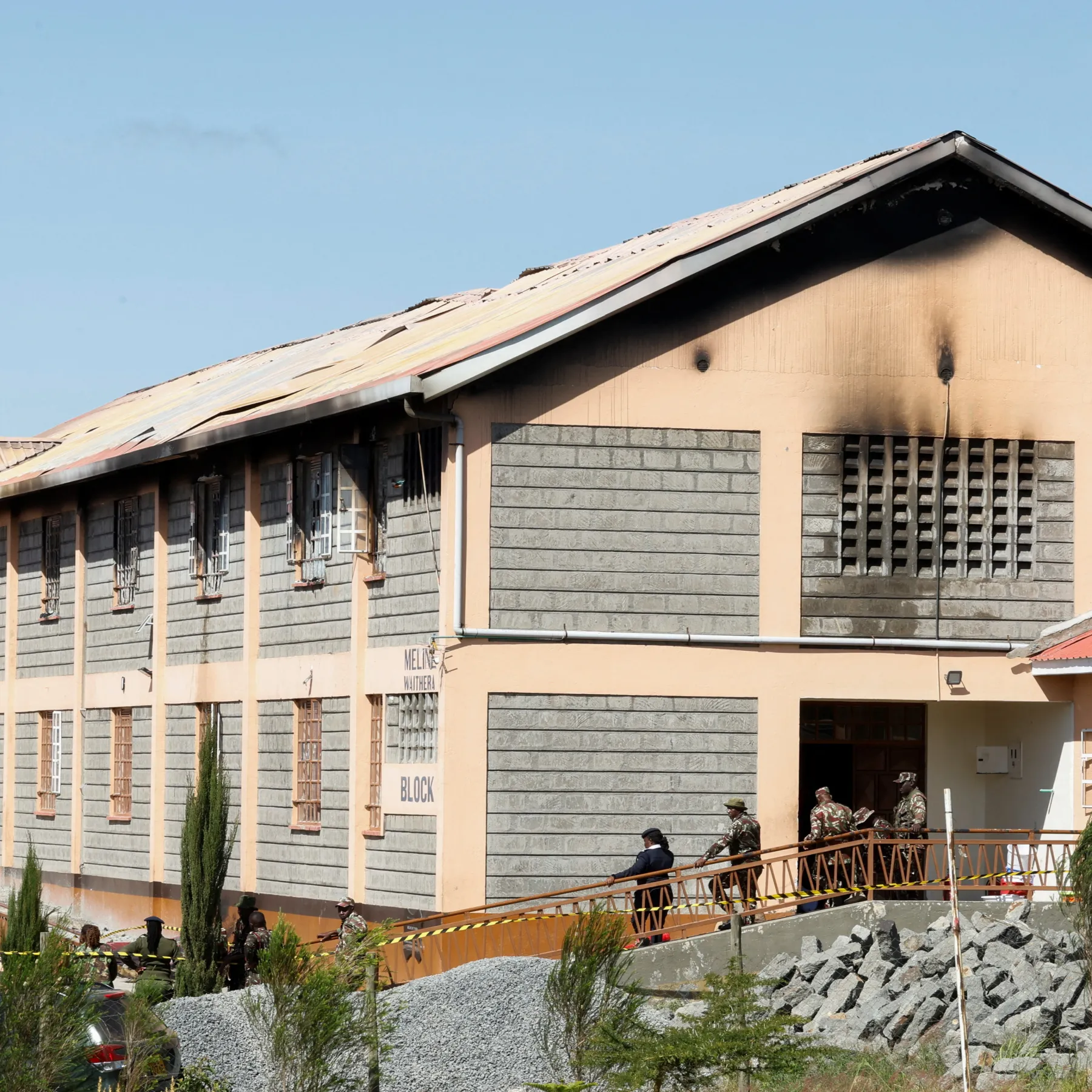
Kenya has once again been thrown into mourning following another tragic school dormitory fire. The recent inferno at Utumishi Girls Academy in Gilgil, Nakuru County, left several students dead and dozens injured after a fire broke out in a dormitory at night while learners were asleep. The heartbreaking incident has reignited national debate on school safety, fire preparedness, and the urgent need for stronger protection measures in boarding schools across the country.
Sadly, this is not the first time Kenya has witnessed such a tragedy. In 2024, the Hillside Endarasha Academy dormitory fire in Nyeri County claimed the lives of more than 20 pupils after flames engulfed a boys’ dormitory during the night. Reports later revealed concerns about safety preparedness and lack of adequate monitoring systems in the dormitories.
Over the years, several other school fires have also occurred in Kenya, including the deadly Moi Girls High School fire in Nairobi in 2017 that killed 10 students and injured many others. Investigations later linked the incident to arson.

These repeated incidents show that school dormitory fires in Kenya are no longer isolated cases. Instead, they have become a serious national concern that demands urgent action from schools, parents, government agencies, and communities.
Why School Dormitory Fires Keep Happening in Kenya
Many boarding schools in Kenya still face major safety challenges. Some dormitories are overcrowded, while others have poor electrical wiring, limited exits, or inadequate emergency systems. In some cases, dormitory doors remain locked at night, making escape difficult during emergencies.
Additionally, lack of regular fire drills, poor student counseling, weak supervision, and insufficient fire-fighting equipment continue to increase risks in many schools. According to reports following recent tragedies, some students were forced to jump through windows to escape the flames because exits were inaccessible.
As Kenya continues to expand access to education, experts argue that school safety must now receive equal priority.
How Kenyan Schools Can Prevent Dormitory Fires
1. Install Smoke Detectors in Every Dormitory
One of the simplest and most effective ways to prevent deaths during fires is early detection. Every dormitory should have smoke detectors installed in rooms, corridors, and common areas.
Smoke alarms can quickly alert students and teachers before flames spread. Most importantly, the alarms should be connected to a central alert system that can notify school administrators immediately. Schools can buy easy to fix smoke detectors from online shops like BuyOnline.

2. Conduct Regular Electrical Inspections
Faulty electrical wiring is one of the leading causes of fires in schools. Therefore, schools should:
- Inspect wiring regularly
- Replace damaged cables
- Avoid overloading sockets
- Ban illegal electrical connections
- Install circuit breakers and surge protectors
Regular inspections by licensed electricians can greatly reduce fire risks.
3. Increase Emergency Exits in Dormitories
Many school dormitories in Kenya still have limited exits. This becomes dangerous during emergencies because students may become trapped inside.
Every dormitory should have:
- Multiple emergency exits
- Clearly marked escape routes
- Doors opening outward
- Unlocked exits during the night
- Glow-in-the-dark exit signs
Additionally, schools should avoid installing metal grills that can trap students during emergencies.
4. Conduct Frequent Fire Drills
Fire drills help students know exactly what to do during emergencies. Unfortunately, many schools rarely conduct them.
Experts recommend that schools conduct:
- Daytime fire drills
- Night fire drills
- Emergency evacuation simulations
- Fire response training for teachers and dorm captains
As a result, panic can be reduced significantly during real emergencies.
5. Install Fire Extinguishers and Sprinkler Systems
Every dormitory block should have working fire extinguishers placed at strategic points. Staff and students should also be trained on how to use them.
Large boarding schools should additionally invest in:
- Automatic sprinkler systems
- Fire hose reels
- Water hydrants
- Fire blankets
Modern fire suppression systems can stop flames before they spread widely.
6. Improve Student Counseling and Mental Health Support
Some dormitory fires in Kenya have previously been linked to student unrest, stress, bullying, and emotional distress.
Because of this, schools should strengthen:
- Guidance and counseling programs
- Student mentorship
- Anonymous reporting systems
- Conflict resolution initiatives
Creating healthy school environments can help prevent destructive behavior.
7. Introduce Smart Technology in Schools
Technology can also play a major role in improving safety in Kenyan schools.
Schools can adopt:
- Smart fire sensors
- Mobile emergency alert systems
- CCTV surveillance
- AI-powered smoke detection
- Automated alarm systems
- Emergency communication apps
Modern systems can instantly alert teachers, security officers, and nearby fire stations when danger is detected.
8. Strengthen Government Inspections
The Ministry of Education and county governments should conduct mandatory fire safety inspections regularly.
Schools should only be licensed to operate boarding facilities after confirming:
- Fire compliance
- Safe occupancy levels
- Functional emergency exits
- Availability of fire-fighting equipment
- Electrical safety compliance
Strict enforcement of safety standards can save lives.
Lessons Kenya Must Learn from Recent School Fire Tragedies
The recent Utumishi Girls Academy fire has once again reminded Kenyans about the dangers many learners face in boarding schools. Reports indicate that the dormitory housed hundreds of students at the time of the fire, while some survivors sustained injuries while trying to escape through windows.
Similarly, the Endarasha tragedy exposed concerns about inadequate monitoring systems after an inquest revealed that CCTV cameras were not installed inside the dormitory sections.
As a country, Kenya now faces an important question: how many more students must lose their lives before stronger fire safety systems are fully implemented?
The Way Forward for Kenyan Schools
Protecting students should never be optional. Boarding schools must become safe environments where learners can study, sleep, and grow without fear.
Moving forward, schools, parents, government agencies, and private sector partners should work together to:
- Modernize school safety systems
- Improve dormitory infrastructure
- Invest in emergency preparedness
- Strengthen student welfare programs
- Enforce strict fire safety regulations
If proper action is taken now, Kenya can prevent future tragedies and save countless young lives.
Ultimately, every child deserves to feel safe in school. Preventing school dormitory fires in Kenya is not just a government responsibility — it is a national duty.